Smoke Suppression and Heat Shielding in Fire-Resistant Coatings
How Graphene Oxide Improves Fire Safety Beyond Flame Retardancy
Fire Safety Is More Than Flame Resistance
In real fire scenarios, smoke toxicity and heat transfer often cause more damage than flames themselves.
Traditional fire-resistant coatings focus mainly on:
-
Delaying ignition
-
Reducing flame spread
However, modern fire safety standards increasingly emphasize:
-
Smoke density reduction
-
Heat shielding efficiency
-
Structural integrity during prolonged fire exposure
Graphene Oxide (GO) offers a unique pathway to address all three—without high filler loading.
Why Smoke Suppression Matters in Fire-Resistant Coatings
Dense smoke:
-
Reduces visibility
-
Increases inhalation toxicity
-
Accelerates panic and evacuation failure
In many conventional flame-retardant systems:
-
Smoke is a byproduct of polymer decomposition
-
High filler loading may even worsen smoke release
Reducing smoke generation is therefore a critical performance dimension, not a secondary benefit.
How Graphene Oxide Reduces Smoke Generation
1. Barrier-Controlled Decomposition
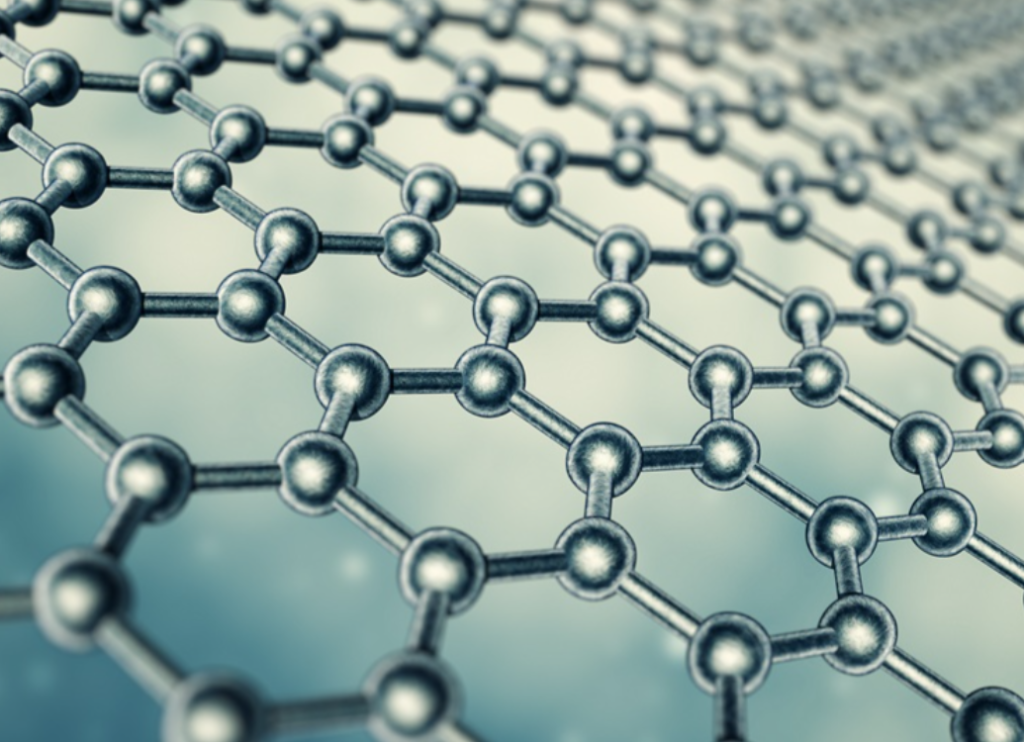
GO nanosheets form a laminated barrier network inside the coating.
This structure:
-
Slows polymer thermal decomposition
-
Restricts release of volatile organic compounds
-
Reduces fuel supply to the flame zone
As a result:
-
Less incomplete combustion
-
Lower smoke particle formation
2. Stabilized Char Layer Formation
During fire exposure, GO:
-
Promotes dense, continuous char layers
-
Prevents microcrack formation in the char
A stable char layer:
-
Traps decomposition products
-
Acts as a smoke containment shield
-
Maintains protection over longer fire durations
This is especially critical in intumescent fire-resistant coatings.
3. Synergy with Halogen-Free Flame Retardants
When combined with:
-
Ammonium polyphosphate (APP)
-
Melamine derivatives
-
Phosphorus–nitrogen systems
GO:
-
Reinforces the expanding char foam
-
Reduces collapse and gas leakage
-
Allows lower overall flame-retardant loading
This leads to cleaner combustion behavior and reduced smoke density.
Heat Shielding: GO as a Thermal Radiation Barrier
Beyond smoke suppression, GO significantly improves heat shielding efficiency.
Key mechanisms:
-
Reflection and scattering of radiant heat
-
Increased thermal path tortuosity
-
Reduced heat flux to the substrate
Even at <1 wt% loading, GO can:
-
Delay substrate temperature rise
-
Extend fire resistance time
-
Protect structural integrity longer
This is critical for steel structures, battery enclosures, and industrial equipment.
Performance Comparison: Conventional vs GO-Enhanced Systems
| Performance Aspect | Conventional FR Coatings | GO-Enhanced Coatings |
|---|---|---|
| Smoke Density | Medium to High | Low |
| Heat Flux Reduction | Moderate | High |
| Char Layer Stability | Often brittle | Dense & continuous |
| Additive Loading | High (15–40 wt%) | Low (0.1–1 wt%) |
| Mechanical Retention | Often compromised | Improved |
Application Scenarios Where Smoke Suppression Is Critical
GO-enhanced fire-resistant coatings are particularly valuable in:
-
Tunnels and underground infrastructure
-
Public transportation systems
-
Data centers and energy storage facilities
-
Offshore platforms and enclosed industrial spaces
-
High-occupancy commercial buildings
In these environments, smoke control often defines survival outcomes.
Formulation Design Tips
For smoke-suppressive fire-resistant paints:
-
Use well-exfoliated GO dispersions
-
Introduce GO early in dispersion stages
-
Avoid over-shearing that damages sheet structure
-
Balance GO with intumescent agents rather than replacing them
GO works best as a structural enhancer, not a standalone flame retardant.
Regulatory and Testing Alignment
GO-enhanced systems show strong performance in:
-
Smoke density chamber tests
-
Cone calorimetry (reduced peak HRR)
-
Fire endurance and thermal insulation tests
Importantly, GO supports halogen-free and low-toxicity coating strategies, aligning with global safety trends.
Fire-resistant coatings must evolve from flame delay systems to comprehensive fire safety solutions.
Graphene Oxide enables this shift by:
-
Suppressing smoke at the source
-
Stabilizing char structures
-
Enhancing heat shielding efficiency
With minimal loading and broad formulation compatibility, GO is becoming a core design element in next-generation fire-protective coatings.