
EMI Shielding: Graphene and CNT Composites in EV and 5G Devices
How Graphene and CNT Materials Are Revolutionizing Electromagnetic Interference Shielding
As the world accelerates towards electrification and 5G technology, the need for Electromagnetic Interference (EMI) shielding has never been greater. From electric vehicles (EVs) to 5G mobile networks, electronic devices are becoming increasingly susceptible to EMI from high-frequency signals, which can cause malfunctions, signal degradation, and performance issues.
Traditional materials for EMI shielding—such as metallic foils, paint-based coatings, and conductive polymers—are being challenged by newer, more advanced materials. Among these, Graphene and Carbon Nanotube (CNT) composites have emerged as some of the most promising solutions, offering superior performance, flexibility, and lightweight characteristics. These advanced materials are being rapidly adopted in both electric vehicles and 5G infrastructure to improve device reliability and optimize system performance.
This article explores the key advantages of graphene and CNT-based EMI shielding, how they compare to traditional materials, and their growing importance in modern technological applications.
1. The Importance of EMI Shielding in EVs and 5G Devices
1.1 Electromagnetic Interference in Electric Vehicles
Electric vehicles are equipped with various electronic components—such as inverters, batteries, motor controllers, and sensors—that are vulnerable to electromagnetic radiation. EMI can affect vehicle performance, disrupt signals, and compromise the functionality of key systems.
Why EMI shielding is critical in EVs:
-
Battery management systems (BMS) need to operate precisely to avoid overheating, overcharging, or discharging, and EMI can disrupt the sensors that monitor these processes.
-
Electric motors and inverters can emit high-frequency electromagnetic radiation, which can interfere with other components like navigation systems, wireless communication systems, and infotainment systems.
-
Wireless charging systems may also face performance degradation without adequate shielding.
1.2 Electromagnetic Interference in 5G Devices
5G networks require high-frequency signals to provide ultra-fast data speeds and low latency. However, the higher frequency (millimeter-wave) signals used in 5G devices are more prone to interference from surrounding equipment. Mobile phones, tablets, laptops, and network base stations are all vulnerable to EMI from surrounding electronic devices.
The demand for 5G-compatible devices with ultra-low latency requires effective EMI shielding to protect the delicate signal quality, reduce heat generation, and maintain device performance.
2. Graphene and CNTs: The New Frontiers of EMI Shielding
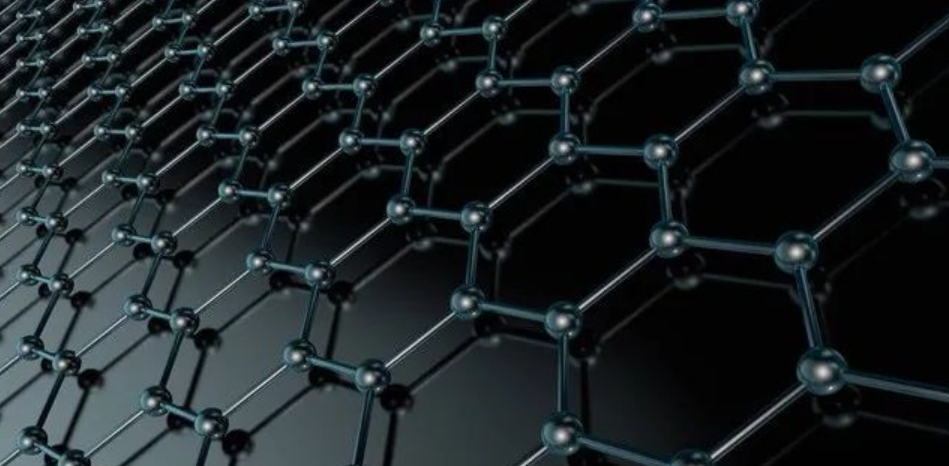
Graphene and CNTs, both carbon-based materials, have rapidly gained attention due to their exceptional conductivity, mechanical strength, and flexibility. When used in composites, these materials offer an array of advantages for EMI shielding.
2.1 Why Graphene and CNTs Are Effective for EMI Shielding
• Exceptional Conductivity
Both graphene and CNTs have excellent electrical conductivity, which is crucial for blocking electromagnetic waves. Their ability to form conductive networks at very low concentrations allows for high shielding efficiency at reduced weight.
• High Surface Area
Graphene and CNTs have a high surface area that allows them to provide more points of interaction with electromagnetic waves, improving their ability to absorb and dissipate electromagnetic energy.
• Lightweight and Flexible
Both graphene and CNT composites are lighter than traditional metals (like copper or aluminum), making them ideal for lightweight applications in automotive and portable devices. Additionally, their flexibility allows them to be incorporated into flexible substrates, such as films, coatings, and textiles, offering more versatility in product design.
• Thin and Durable
Graphene and CNTs are ultra-thin (graphene is just one atom thick), which helps maintain the form factor of devices without compromising on durability or shielding performance.
3. Graphene and CNT-Based EMI Shielding in EVs
Electric vehicles require efficient, lightweight shielding to protect sensitive electronic components from EMI. Graphene and CNT composites are gaining traction as the materials of choice for achieving high-performance EMI shielding without adding excessive weight.
3.1 Applications in Electric Vehicles
-
Battery Protection: Graphene and CNT-based composites can be used in battery enclosures to protect the battery management system from EMI, ensuring that the battery operates safely and efficiently.
-
Motor and Inverter Shielding: The conductive properties of CNTs and graphene provide an effective way to shield the electric motor and inverter electronics from emitted EMI.
-
Cabin Electronics: For infotainment, navigation, and communication systems inside the vehicle, graphene and CNTs can ensure these systems operate free from interference from the motor or other sources of EMI.
3.2 Advantages Over Traditional Shielding Materials
-
Lightweight: CNT and graphene composites are significantly lighter than traditional metal-based shielding, reducing the overall weight of the vehicle, which can lead to improved range and fuel efficiency.
-
Thin Films: Unlike bulky metal shields, graphene and CNT films can be integrated into thin layers, offering seamless integration without compromising on vehicle aesthetics or functionality.
-
Flexibility: Graphene and CNT composites can be used on flexible substrates, enabling easy application to complex, curved, and space-constrained areas within an electric vehicle.
4. Graphene and CNT-Based EMI Shielding in 5G Devices
In the 5G era, shielding materials must perform at higher frequencies (up to 100 GHz). Both graphene and CNTs are capable of providing shielding at these frequencies, offering excellent attenuation for EMI in 5G devices.
4.1 Applications in 5G Devices
-
Mobile Phones: Graphene and CNT-based coatings can be used to shield the sensitive electronics inside smartphones and tablets from EMI, while also enhancing the thermal conductivity of the device.
-
5G Antennas: To achieve optimal signal transmission and reception, 5G antennas require effective shielding. CNTs and graphene composites can help prevent signal interference while maintaining antenna performance.
-
Base Stations: 5G base stations are critical for providing connectivity. CNT and graphene-based materials are being used in base station enclosures to prevent interference from the external environment and maintain signal integrity.
4.2 Advantages for 5G Applications
-
High-Frequency Shielding: Graphene and CNTs can block high-frequency electromagnetic waves, making them ideal for shielding 5G devices, which operate at much higher frequencies than previous cellular technologies (up to 100 GHz).
-
Better Thermal Management: Both CNTs and graphene have high thermal conductivity, which helps to dissipate heat efficiently from 5G devices, preventing overheating and performance degradation.
-
Durability: CNT and graphene-based shielding is more durable compared to conventional metals, maintaining performance even in extreme environmental conditions.
5. Current Challenges and Future Prospects
While graphene and CNT composites offer significant advantages, there are still challenges to be addressed before they can completely replace traditional shielding materials:
5.1 Scalability of Production
Graphene and CNT-based EMI shielding materials require advanced and cost-effective production methods. While CVD (Chemical Vapor Deposition) and solution-based methods are common, scaling these processes for large-scale commercial use remains a challenge.
5.2 Dispersion Issues
Achieving uniform dispersion of CNTs in polymers or coatings is challenging. Poor dispersion can result in lower conductivity and reduced shielding performance.
5.3 Cost
The cost of producing high-quality graphene and CNT materials remains higher than traditional metals, although prices are expected to decrease as production methods improve.
6. The Future of EMI Shielding with Graphene and CNTs
Graphene and CNT-based composites offer a revolutionary alternative to traditional EMI shielding materials. Their unique combination of high conductivity, flexibility, lightweight properties, and thermal management make them perfect candidates for the emerging demands of electric vehicles and 5G devices.
As production technologies mature and scalability improves, these materials will become integral to the design of next-generation electronics—enabling higher performance, more reliable devices while reducing weight and enhancing overall sustainability.
The future of EMI shielding is lightweight, efficient, and flexible, and graphene and CNTs are leading the way.