
Graphene in Biomedical Coatings – Antibacterial and Biocompatible Uses
Graphene has moved beyond electronics and energy applications to become a valuable material in medical devices, implants, wound care products, diagnostics tools, and hospital equipment. Its unique 2D structure, excellent mechanical strength, high surface area, and antimicrobial activity make it an ideal candidate for biomedical coatings that require both biocompatibility and antibacterial performance.
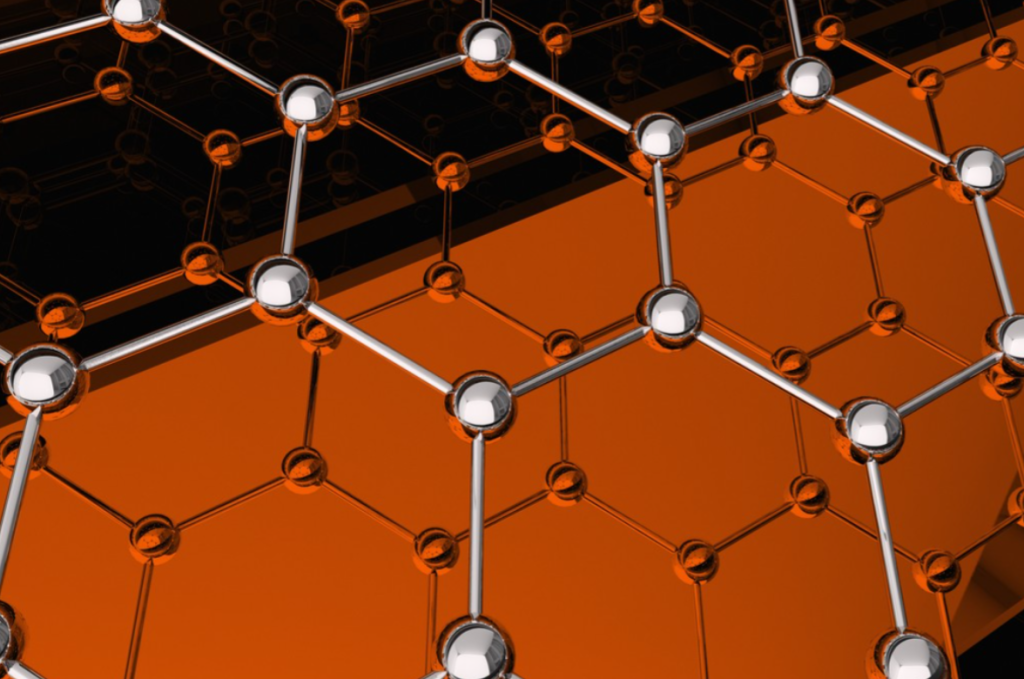
This article explains why graphene-based coatings are gaining strong interest from medical manufacturers, the mechanisms behind their biological performance, key forms of graphene used, and how companies can integrate graphene coatings into next-generation biomedical products.
1. Why Graphene Is Ideal for Biomedical Coatings
Graphene exhibits a combination of properties rarely found in a single material:
✔ Antibacterial
-
Mechanically disrupts bacterial membranes
-
Generates oxidative stress
-
Reduces bacterial adhesion on surfaces
✔ Biocompatible
-
Promotes cell adhesion and growth when properly functionalized
-
Shows low cytotoxicity in thin-film forms
✔ Chemically Stable
-
Protects surfaces from corrosion and degradation
-
Maintains stability under physiological conditions
✔ High Surface Area
-
Enables drug loading, biofunctionalization, and controlled release
These characteristics make graphene a multifunctional coating component for both preventing infection and supporting tissue interaction.
2. Antibacterial Mechanisms of Graphene Coatings
Graphene’s antimicrobial activity comes from several synergistic mechanisms:
2.1 Physical “Nanoblade” Effect
The sharp edges of graphene and graphene oxide can:
-
Pierce bacterial cell walls
-
Disrupt membrane integrity
-
Cause leakage of nutrients and cytoplasm
This kills bacteria mechanically without relying on antibiotics.
2.2 Oxidative Stress Generation
Graphene oxide (GO) produces reactive oxygen species (ROS), including:
-
Superoxide ions
-
Hydroxyl radicals
-
Hydrogen peroxide
ROS degrade bacterial membranes and DNA, giving GO strong broad-spectrum activity.
2.3 Ultra-Smooth Surface Reducing Adhesion
Graphene forms a hydrophobic, atomically smooth surface:
-
Prevents adhesion of bacteria
-
Reduces biofilm formation
-
Ensures long-term antimicrobial performance
2.4 Photothermal Killing
Under NIR light, graphene converts light to heat:
-
Local temperature rises rapidly
-
Bacteria are thermally destroyed
-
Useful in sterilizable medical tools
Because these mechanisms are non-antibiotic, bacteria have difficulty developing resistance, making graphene a future-proof solution.
3. Key Biomedical Applications of Graphene Coatings
3.1 Medical Implants (Orthopedic, Dental, Cardiovascular)
Graphene enhances surface performance of implant metals like titanium and stainless steel:
-
Improves osteointegration
-
Increases corrosion resistance
-
Prevents bacterial infection around implants
-
Enhances wear resistance of sliding components (e.g., joint implants)
Studies show that graphene-functionalized implants reduce infection risk without compromising cell viability.
3.2 Wound Dressings and Antimicrobial Films
GO-coated or graphene-functionalized dressings offer:
-
Strong antibacterial activity
-
Moisture management
-
Accelerated healing due to improved fibroblast proliferation
-
Compatibility with hydrogels and breathable membranes
Graphene dressings are being explored for diabetic wounds and surgical sites.
3.3 Catheters, Stents, and Hospital Equipment
Biofilm formation is a major problem on:
-
Urinary catheters
-
Vascular catheters
-
Endotracheal tubes
-
Hospital beds and surfaces
Graphene-based coatings significantly reduce bacterial attachment and can remain active for long periods, reducing infection-related complications.
3.4 Biosensors and Diagnostic Devices
Biocompatible graphene films provide:
-
High electron mobility for electrochemical sensing
-
Functional sites for biomolecule attachment
-
Stable interfaces for enzyme and antibody immobilization
Examples include glucose sensors, immunoassay platforms, and wearable monitoring patches.
3.5 Drug-Eluting and Therapeutic Coatings
Because of its large surface area, graphene can serve as a carrier for:
-
Antibiotics
-
Anti-inflammatory drugs
-
Growth factors
-
Anticancer agents
Coatings release these molecules slowly to support healing or prevent infection.
4. Types of Graphene Materials Used in Biomedical Coatings
Different graphene forms offer different performance advantages.
4.1 Graphene Oxide (GO)
-
Hydrophilic and dispersible in water
-
Rich in oxygen functionalities
-
Strong antibacterial activity
-
Easily modified for tuning biocompatibility
GO is the most widely used for biomedical coatings.
4.2 Reduced Graphene Oxide (rGO)
-
Higher conductivity
-
Lower oxygen content
-
Enhanced mechanical stability
-
Lower antibacterial activity compared to GO
Used when electrical performance is needed (e.g., biosensors).
4.3 Pristine Graphene Films
-
Highest conductivity
-
Very smooth surface
-
Suitable for flexible biomedical electronics
Applications include neural interfaces and transparent biosensors.
4.4 Functionalized Graphene
Surface-functionalized variants improve:
-
Stability in biological fluids
-
Targeted antibacterial performance
-
Cell adhesion and tissue integration
Functionalization can involve PEG, polydopamine, amino acids, or polymers.
5. Biocompatibility Considerations
Biocompatibility depends heavily on:
-
Graphene type
-
Flake size
-
Oxidation level
-
Surface functionalization
-
Coating thickness
General Principles
-
Thin, continuous coatings show excellent compatibility
-
Functionalization reduces cytotoxicity
-
GO is more biologically active; rGO is more stable
-
Implant-grade coatings undergo sterilization testing (steam, plasma, ethylene oxide)
Proper engineering ensures graphene performs safely inside the body.
6. Manufacturing Techniques for Graphene Biomedical Coatings
Several coating methods fit small, medium, and large manufacturers:
6.1 Dip Coating
Simple method for coating metal implants or surgical tools.
6.2 Spray Coating
Works for flexible substrates, catheters, or large surfaces.
6.3 Spin Coating
Creates uniform thin films for sensors and electronic patches.
6.4 Electrophoretic Deposition (EPD)
Excellent adhesion on metals; scalable for orthopedic implants.
6.5 Printing & Patterning
Suitable for smart bandages and flexible biosensors.
6.6 CVD-grown Graphene Transfer
High performance but requires more advanced equipment.
Graphene Echo’s GO/rGO dispersions and functionalized variants can support most of these coating techniques.
7. Commercial Opportunities for OEMs & Device Manufacturers
Graphene-coated biomedical products offer strong value propositions:
✔ Reduced infection risk (major regulatory advantage)
✔ Improved patient comfort and healing
✔ Lower failure rate of implants and devices
✔ Additional functionality—conductivity, sensing, drug release
✔ Strong differentiation in a competitive medical market
These benefits help medium and small manufacturers upgrade existing product lines without major structural redesign.
8. Challenges and Quality Requirements
To ensure reliable performance, manufacturers should focus on:
-
Consistent flake size control
-
High-purity graphene (low metal residues)
-
Controlled oxidation states
-
Sterilization compatibility testing
-
Long-term stability and adhesion performance
Graphene Echo provides OEM-ready materials with customizable surface chemistry to match biomedical needs.
Graphene-based biomedical coatings bring together antibacterial performance, biocompatibility, mechanical strength, and multifunctionality. Whether used on implants, wound dressings, sensors, or catheters, graphene enables safer, more durable, and higher-performance medical products.
With global healthcare moving toward advanced materials, infection prevention, and smart medical devices, graphene coatings offer a powerful path for small and medium manufacturers to upgrade their product portfolios and compete internationally.