
Integration Guide: How to Apply Graphene Films into End Products
For manufacturers, engineers, and product developers using graphene heating, conductive, or sensing films.
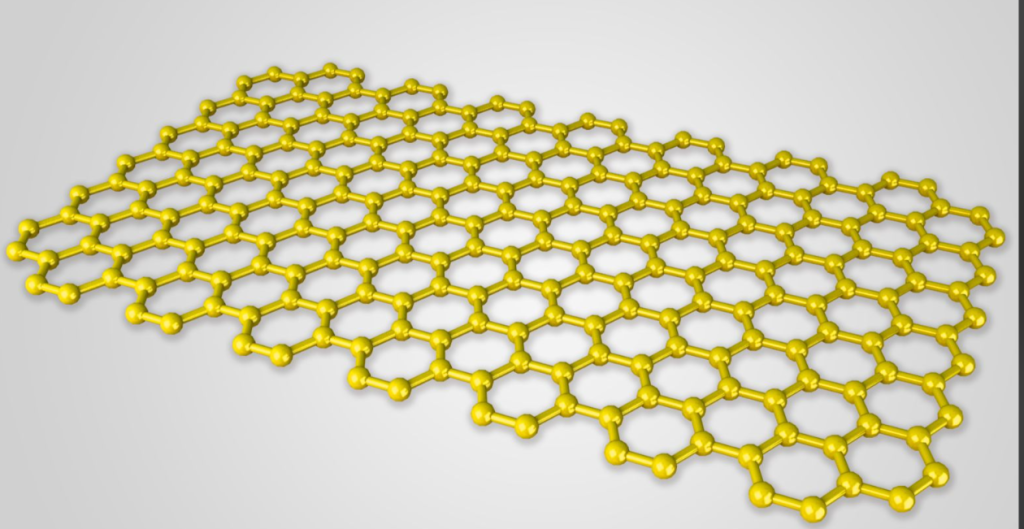
Graphene films—whether produced via CVD, coating, lamination, printing, or etching—are becoming essential components in next-generation electronics, heating systems, sensors, and smart devices.
However, many companies still face challenges when integrating graphene films into their final products: bonding issues, uneven resistance, incompatible substrates, electrical connection reliability, or thermal stability problems.
This guide provides a practical, engineering-level roadmap to help manufacturers integrate graphene films smoothly into commercial products.
1. Understand the Type of Graphene Film You Are Using
Different graphene film types have different behaviors. Selecting the correct film is the foundation of successful integration.
1.1 CVD Graphene Film
-
Ultra-thin (single–few layers)
-
High electrical mobility
-
Transparent
-
Typically transferred onto PET, PI, glass, or metal foils
Best for: sensors, transparent heaters, touch panels, EMI shielding
1.2 Coated or Printed Graphene Film
-
Uses graphene paste/ink coated onto PET/PI
-
Thickness: tens of microns
-
Lower sheet resistance
-
Excellent for heating and conductive applications
Best for: heating film, flooring heaters, defogging, wearables
1.3 Etched Graphene Heating Film
-
Patterned via laser or chemical etching
-
Precise heating zones
-
Very stable temperature uniformity
Best for: medical heating pads, automotive defogging, precision heaters
1.4 Laminated Multi-Layer Graphene Films
-
Graphene + protective layers + adhesive
-
Higher durability and easier assembly
Best for: consumer electronics, industrial heating panels, underfloor systems
Before integration, clarify:
-
Sheet resistance range
-
Substrate material
-
Maximum working temperature
-
Target application (heating, EMI, sensing, etc.)
2. Substrate Selection: Match the Film to the Right Base Material
The substrate must meet durability and safety requirements based on the usage scenario.
2.1 Flexible Applications
Suitable substrates:
-
PET (cost-effective, indoor use)
-
PI (high-temperature, industrial)
-
TPU (wearables, textiles)
-
EVA (floor heating encapsulation)
2.2 Rigid Applications
For stronger mechanical protection:
-
Glass
-
FR-4
-
Aluminum plate
-
Ceramic substrates
2.3 Consider Thermal Expansion Matching
Avoid performance drift caused by expansion mismatch.
Example:
-
PI + graphene = best for precision heating
-
PET + graphene = best for low-cost consumer devices
3. Electrical Integration: Connecting Graphene Film Safely
3.1 Select Suitable Electrodes
Options include:
-
Silver conductive paste
-
Copper foil (most common in heating films)
-
Nickel plating
-
Carbon-based conductive ink (for flexible circuits)
Key factors:
-
Contact resistance
-
Long-term oxidation resistance
-
Mechanical flexibility
3.2 Busbar Design
For heating films:
-
Use wide busbars to ensure uniform current distribution
-
Apply strong and even pressure during lamination
-
Add protective coating to prevent metal oxidation
3.3 Soldering and Welding
Graphene cannot be soldered directly. Instead:
-
Solder onto metal pads
-
Connect metal pads to graphene using conductive adhesive or low-resistance paste
-
Avoid high-temperature soldering (>350°C) when using PET substrates
3.4 Resistance and Uniformity Testing
Before mass integration:
-
Test sheet resistance in multiple points
-
Check temperature uniformity under low-voltage trial (5–12 V)
-
Inspect bonding strength of electrodes
4. Mechanical Integration: Lamination, Encapsulation & Protection
Proper mechanical protection ensures long-term performance.
4.1 Lamination Options
-
Hot lamination: for PI, PET
-
Cold lamination: for low-temperature materials
-
Roll-to-roll lamination: best for mass production
4.2 Encapsulation Materials
Choose based on application:
| Application | Encapsulation Material |
|---|---|
| Floor heating | EVA, XLPE |
| Wearables | TPU, PU, textile layers |
| Automotive | PI + epoxy coating |
| Glass defogging | Transparent PET + adhesive |
4.3 Avoid Mechanical Stress
Graphene is strong but the film can be damaged by:
-
Sharp bending
-
Localized folding
-
Excessive twisting
Ensure bending radius >10 mm for fragile substrates.
5. Thermal Integration for Heating Films
Graphene heating films must achieve stable temperature rise and uniformity.
5.1 Power Matching
Check:
-
Voltage requirement
-
Maximum current
-
Resistance tolerance
Example:
For 24 V heating systems, typical sheet resistance = 50–300 Ω/sq.
5.2 Heat Dissipation Design
Different products may require:
-
Aluminum backing (efficient heat spreading)
-
Ceramic reinforcement (high-temperature stability)
-
Air-gap spacing control (safety and consistency)
5.3 Temperature Sensors Integration
Suggested sensors:
-
NTC thermistors
-
Digital temperature sensors (DS18B20, etc.)
-
Printed graphene-based temperature sensors
Sensors are strongly recommended for:
-
Medical heaters
-
Automotive systems
-
Smart wearables
6. Bonding Graphene Film to End Products
6.1 Adhesives Compatible with Graphene
Use:
-
Acrylic adhesives
-
Silicone adhesive
-
Epoxy adhesive
-
Hot-melt EVA
Avoid:
-
Solvent-based adhesives that may damage coatings
-
Rubber-based adhesives for long-term heating applications
6.2 Surface Treatment Before Bonding
For better adhesion:
-
Clean surface with IPA (isopropyl alcohol)
-
Avoid dust/oil contamination
-
Apply primer if needed
7. Safety and Certification Considerations
7.1 Electrical Safety
-
Insulation layer thickness must meet IEC/UL standards
-
Ensure double insulation for high-power heating products
-
Use flame-retardant layers where required (e.g., PI, FR-rated materials)
7.2 Temperature Safety
-
Limit maximum surface temperature (typically <90°C for household use)
-
Maintain temperature uniformity to avoid hot spots
7.3 EMC & EMI
Graphene films naturally exhibit:
-
Low electromagnetic emissions
-
Partial shielding capability
Helpful for electronics and wearables.
7.4 Aging and Reliability Tests
Test conditions should include:
-
Thermal cycling (−20°C to 80°C)
-
Humidity exposure (60–95% RH)
-
Power-on continuous operation (500–1000 hours)
-
Adhesion after bending cycles
8. Integration Checklist for Manufacturers
Before mass production, confirm:
✔ Electrical performance stable?
Sheet resistance, uniformity, and electrode bonding
✔ Thermal behavior predictable?
Stable heating curve within target voltage
✔ Mechanical stability sufficient?
Pass bending, vibration, and lamination tests
✔ Safety standards met?
Insulation, temperature limits, materials compliance
✔ Packaging compatible?
No damage during cutting, handling, or assembly
This checklist reduces failure rates and ensures consistent quality across batches.
Integrating graphene films into end products requires careful considerations in electrical design, substrate matching, lamination, safety, and long-term stability. With proper engineering practices, graphene films can significantly enhance next-generation products—from heating systems and sensors to transparent electronics and smart wearables.
As a materials supplier, we support customers with:
-
Customized sheet resistance
-
Etched heating patterns
-
Adhesive lamination
-
Electrode design
-
Pre-assembled modules for rapid integration