

CNTs as Catalyst Supports – For Fuel Cells and Hydrogen Reactions
Why Carbon Nanotubes Are Becoming the Next-Generation Catalyst Support
Carbon nanotubes (CNTs) are emerging as one of the most promising catalyst supports for fuel cells, hydrogen evolution reactions (HER), oxygen reduction reactions (ORR), and a broad range of electrochemical and thermochemical processes. Their unique 1D nanoscale geometry and intrinsic electrical, chemical, and thermal properties enable catalyst systems that perform better, last longer, and reduce reliance on expensive noble metals.
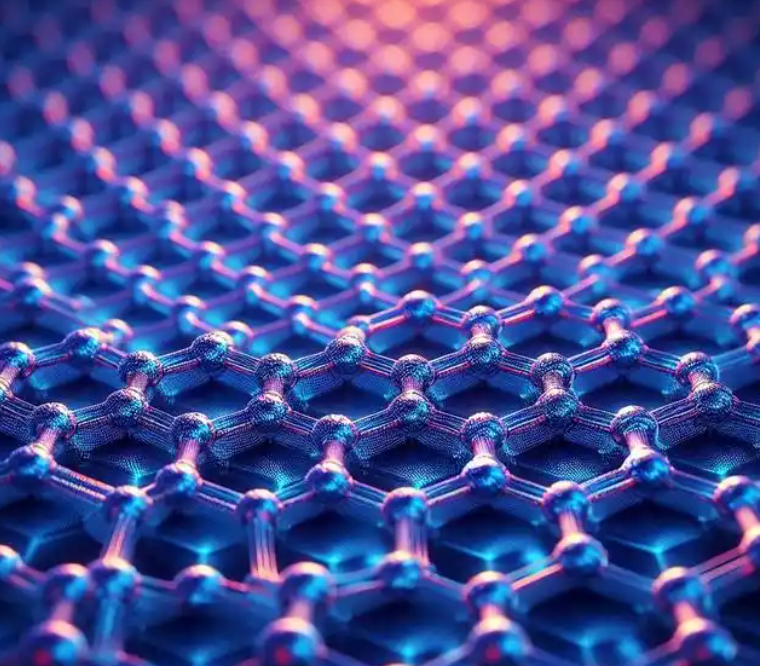
This article explains why CNTs are ideal catalyst supports, how they enhance hydrogen-related reactions, and what industries are currently deploying CNT-supported catalysts at scale.
1. Why CNTs Make Excellent Catalyst Supports
1.1 High Electrical Conductivity
CNTs provide a continuous network of conductive pathways, significantly reducing charge-transfer resistance in electrochemical systems such as:
-
Proton Exchange Membrane Fuel Cells (PEMFC)
-
Alkaline Fuel Cells (AFC)
-
Direct Methanol Fuel Cells (DMFC)
-
Electrolyzers for hydrogen production
Their conductivity (10³–10⁶ S/m depending on type) improves:
-
Electron mobility
-
Catalyst activation
-
Electrochemical response speed
Compared with conventional carbon black, CNT networks offer faster electron transport and higher utilization of active sites.
1.2 Large Surface Area for Catalyst Loading
CNTs exhibit surface areas of 200–800 m²/g, providing abundant anchoring points for:
-
Platinum (Pt) nanoparticles
-
Pt–Ru, Pt–Co, or Pt–Ni alloy catalysts
-
Non-noble metal catalysts (Fe–N–C, Co–N–C)
-
Metal oxides (MnO₂, RuO₂, TiO₂)
Their tubular morphology enables uniform catalyst dispersion, preventing agglomeration and ensuring longer catalyst lifetime.
1.3 Excellent Chemical and Thermal Stability
CNTs maintain structure and conductivity under harsh reaction conditions:
-
Strong acids and bases
-
High voltages
-
Elevated temperatures
-
Repeated redox cycling
This stability results in slower catalyst degradation and better long-term performance than carbon black or graphene oxide in many catalytic systems.
1.4 Tunable Surface Functionalization
CNTs can be modified through:
-
Acid oxidation (–COOH, –OH groups)
-
Plasma treatment
-
Nitrogen or sulfur doping
-
Polymer coating (PANI, PEDOT, Nafion)
These functional groups improve:
-
Catalyst anchoring
-
Hydrophilicity
-
Charge transfer
-
Reaction selectivity
Functionalized CNTs often show 2–10× higher catalytic activity compared to untreated CNT supports.
2. CNT-Supported Catalysts in Fuel Cells
2.1 Platinum (Pt) Catalysts on CNTs
CNT-supported Pt catalysts show:
-
Higher mass activity
-
Lower Pt loading requirements
-
Better durability against carbon corrosion
Typical performance gains:
-
30–50% higher electrochemical active surface area (ECSA)
-
20–40% increased ORR activity
-
2–5× longer catalyst life
This is especially valuable for PEM fuel cells used in:
-
Passenger EVs
-
Buses and heavy-duty vehicles
-
Stationary backup power
-
Aerospace and UAV fuel cell systems
2.2 CNTs for Non-Noble Metal Fuel Cell Catalysts
CNTs support high-performance catalysts such as:
-
Fe–N–C
-
Co–N–C
-
Mn–N–C
Advantages:
-
Low cost
-
High ORR activity
-
Improved tolerance to methanol crossover (DMFC)
Many research groups report non-noble CNT catalysts approaching Pt activity in alkaline fuel cells.
3. CNTs in Hydrogen Reaction Catalysis
CNTs play an increasingly important role in hydrogen-related reactions, including:
3.1 Hydrogen Evolution Reaction (HER)
CNTs support catalysts such as:
-
MoS₂
-
Ni₂P
-
CoP
-
FeS₂
-
Pt
CNTs improve:
-
Charge transfer
-
Reaction kinetics
-
Stability during cycling
In alkaline electrolyzers, CNT-supported HER catalysts achieve:
-
Low overpotentials (20–80 mV)
-
High current densities (>500 mA/cm²)
-
Long operation life
3.2 Oxygen Evolution Reaction (OER) and Overall Water Splitting
CNT networks enhance conductivity and robustness for catalysts such as:
-
NiFe LDH
-
Co₃O₄
-
IrO₂
-
RuO₂
This enables efficient dual HER/OER systems for:
-
PEM electrolyzers
-
Alkaline water electrolyzers
-
Solar-driven water splitting
3.3 Hydrogen Storage Reaction Catalysts
CNTs support metal hydrides or complex hydrides, improving:
-
Hydrogen absorption/desorption kinetics
-
Thermal management
-
Cyclability
Applications include:
-
Solid-state hydrogen storage tanks
-
On-board hydrogen systems
-
Portable hydrogen cartridges
4. Industrial Applications and Commercial Deployment
CNT-supported catalysts are entering full-scale deployment across multiple sectors.
4.1 Fuel Cell Vehicles (FCEVs)
Automotive OEMs and Tier-1 suppliers increasingly use CNT-supported catalysts to:
-
Reduce Pt loading
-
Increase catalyst lifespan
-
Improve performance at low humidity
This is especially relevant for high-mileage applications:
-
Buses
-
Trucks
-
Logistics vehicles
4.2 Industrial Electrolyzers for Green Hydrogen
CNT-supported electrodes are used in:
-
PEM electrolyzers
-
AEM electrolyzers
-
Industrial alkaline electrolyzers
Benefits include:
-
Lower energy consumption
-
Longer electrode durability
-
Lower noble-metal usage
4.3 Hydrogen Sensors
CNT-supported metal nanoparticles (Pd, Pt, Au) are used for ultra-sensitive hydrogen leak detection in:
-
Fueling stations
-
Hydrogen storage systems
-
Aerospace hydrogen infrastructure
CNT networks enable:
-
Rapid response times (<1 s)
-
Low detection limits (<10 ppm)
5. Challenges & Future Potential
Remaining Challenges
-
CNT purity and metal residue control
-
Consistency of catalyst anchoring sites
-
Scalable functionalization processes
-
Cost reduction for industrial catalysts
The combination of CNT catalyst supports + low Pt loading + advanced functionalization is pushing fuel cells and hydrogen technologies toward:
-
Higher efficiency
-
Lower cost
-
Longer lifetime
-
Mass commercial adoption
As hydrogen economies expand globally, CNT-supported catalysts will become a core enabling material across the entire hydrogen value chain—from production to storage to end-use power systems.