
Graphene-Based Supercapacitors – High Power Energy Storage
1. The Need for High Power Energy Storage
As global electrification accelerates, energy storage systems are no longer evaluated solely by energy density. In many real-world applications—such as regenerative braking, grid stabilization, backup power, and pulse power delivery—power density, fast charge–discharge capability, and cycle life are equally critical.
Conventional lithium-ion batteries excel in energy density but suffer from limited charge rates, thermal constraints, and degradation under high-power cycling. Supercapacitors, also known as ultracapacitors, fill this gap by delivering exceptionally high power density and long operational lifetimes.
Among various electrode materials explored, graphene has emerged as one of the most promising platforms for next-generation supercapacitors, enabling higher performance, improved stability, and scalable manufacturing potential.
2. Fundamentals of Supercapacitors
Supercapacitors store energy through two main mechanisms:
-
Electric Double-Layer Capacitance (EDLC)
Energy is stored via electrostatic charge accumulation at the electrode–electrolyte interface. -
Pseudocapacitance
Energy storage involves fast, reversible redox reactions at the electrode surface.
Graphene-based supercapacitors primarily leverage EDLC behavior, though hybrid systems incorporating metal oxides or conducting polymers can introduce pseudocapacitance for enhanced energy density.
3. Why Graphene Is an Ideal Supercapacitor Material
Graphene offers a rare combination of physical and electrochemical properties that directly address the limitations of traditional carbon materials.
3.1 Ultra-High Surface Area
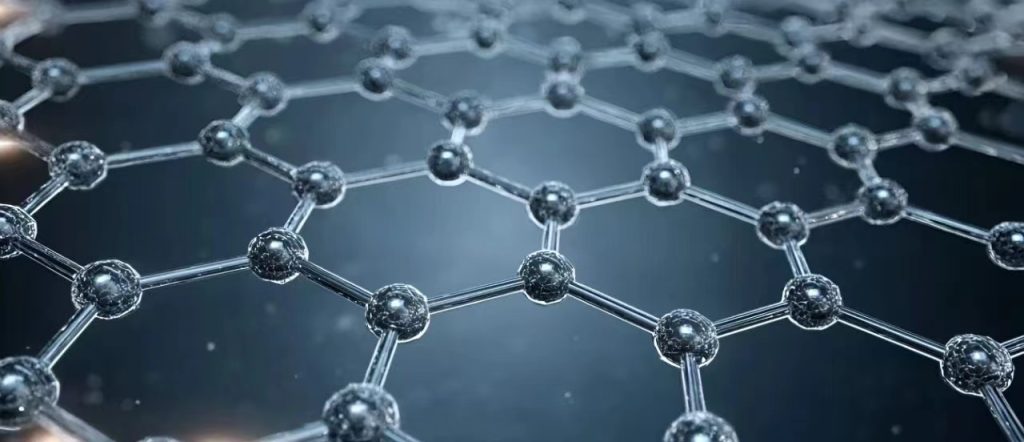
The theoretical surface area of single-layer graphene (~2630 m²/g) provides abundant charge storage sites, maximizing double-layer capacitance.
3.2 Exceptional Electrical Conductivity
Graphene enables rapid electron transport across the electrode, significantly reducing internal resistance and enabling ultra-fast charge–discharge cycles.
3.3 Structural Stability and Long Cycle Life
Unlike porous activated carbon, graphene maintains structural integrity under repeated cycling, supporting lifetimes exceeding hundreds of thousands to millions of cycles.
3.4 Tunable Morphology
Graphene can be engineered into:
-
2D sheets
-
3D porous frameworks
-
Aerogels and foams
This flexibility allows optimization of ion transport pathways and electrolyte accessibility.
4. Graphene Materials Used in Supercapacitors
Different graphene forms serve different design objectives:
4.1 Graphene Nanoplatelets (GNPs)
-
Cost-effective
-
Good conductivity
-
Suitable for large-scale electrode fabrication
Often used as conductive frameworks or additives.
4.2 Reduced Graphene Oxide (rGO)
-
Solution-processable
-
Tunable oxygen content
-
Improved wettability with electrolytes
Widely used in commercial-scale development.
4.3 3D Graphene Structures
-
High porosity
-
Low ion diffusion resistance
-
Superior rate capability
Used in high-performance and research-driven designs.
5. Key Design Considerations
5.1 Energy Density vs. Power Density
Graphene supercapacitors typically achieve:
-
Power density: 5–20 kW/kg
-
Energy density: 5–20 Wh/kg
Although lower than lithium-ion batteries, their power capability and cycle life are unmatched.
5.2 Electrode Architecture
Critical factors include:
-
Layer stacking control (to prevent restacking)
-
Porosity optimization
-
Binder and current collector compatibility
Preventing graphene sheet agglomeration is essential for maintaining accessible surface area.
5.3 Electrolyte Compatibility
Graphene electrodes are compatible with:
-
Aqueous electrolytes (high power, lower voltage)
-
Organic electrolytes (higher voltage windows)
-
Ionic liquids (high temperature stability)
Electrolyte choice directly impacts operating voltage and system safety.
5.4 Hybridization Strategies
To increase energy density, graphene is often combined with:
-
MnO₂
-
RuO₂
-
Conducting polymers
Graphene acts as a conductive backbone, mitigating the poor conductivity and cycling stability of pseudocapacitive materials.
6. Application Scenarios
6.1 Regenerative Energy Systems
Graphene supercapacitors excel in:
-
Rail transit
-
Electric buses
-
Industrial cranes
They efficiently capture and release energy during frequent braking cycles.
6.2 Grid and Renewable Energy Support
Applications include:
-
Frequency regulation
-
Voltage stabilization
-
Short-term energy buffering
Their fast response time complements battery-based storage systems.
6.3 Backup Power and UPS Systems
Supercapacitors provide:
-
Instant power delivery
-
High reliability
-
Minimal maintenance
Graphene enhances system compactness and thermal stability.
6.4 Consumer and Industrial Electronics
Used in:
-
Power tools
-
IoT devices
-
Energy harvesting systems
Where rapid charging and long life outweigh high energy storage needs.
7. Manufacturing and Scalability Challenges
Despite strong performance potential, several challenges remain:
-
Cost-effective large-scale graphene production
-
Consistent material quality
-
Electrode densification without performance loss
-
Integration into existing manufacturing lines
Progress in roll-to-roll coating, slurry-based electrode fabrication, and hybrid carbon systems is steadily reducing these barriers.
8. Future Outlook
Graphene-based supercapacitors are moving toward hybrid energy storage architectures, bridging the gap between batteries and capacitors.
Key trends include:
-
Battery–supercapacitor hybrid modules
-
Structural energy storage
-
Integration into EV and grid-scale systems
-
Increased adoption in harsh environments
As energy systems demand both speed and durability, graphene supercapacitors are positioned as a core enabling technology rather than a niche solution.
Graphene-based supercapacitors represent a powerful solution for high power energy storage applications where speed, reliability, and longevity are paramount. By leveraging graphene’s exceptional conductivity, surface area, and mechanical stability, these systems deliver performance beyond traditional carbon-based capacitors.
With continued advances in material engineering and scalable manufacturing, graphene supercapacitors are set to play a critical role in the future of energy storage and power management.