Our Blogs
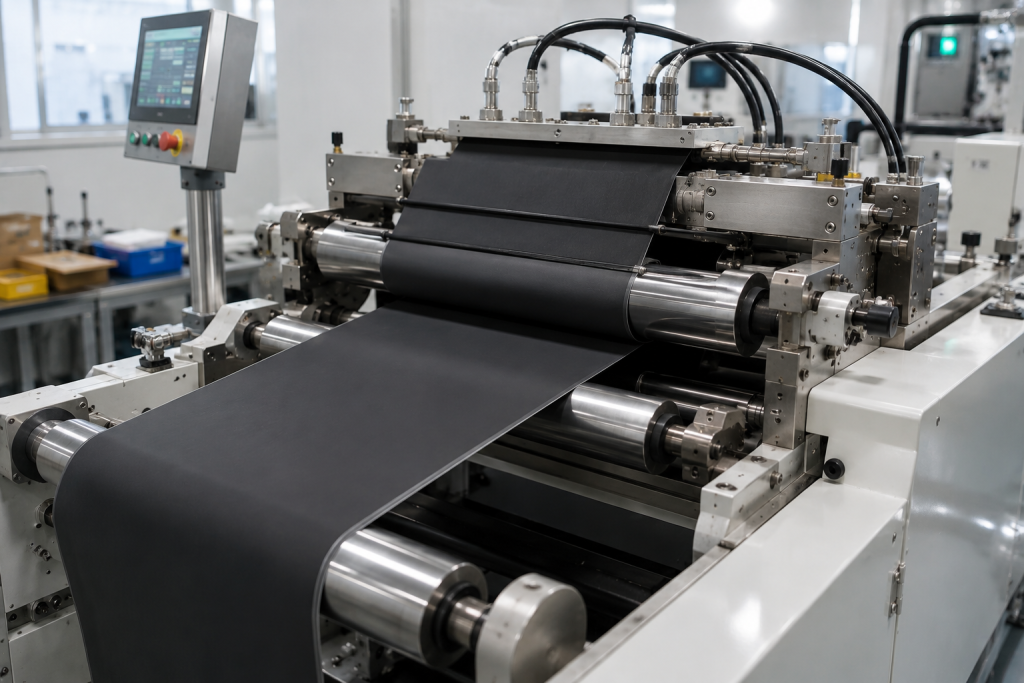
Challenges in Dry Electrode Scaling and Manufacturing
Challenges in Dry Electrode Scaling and Manufacturing Dry electrode technology has attracted significant attention as battery manufacturers seek more ...
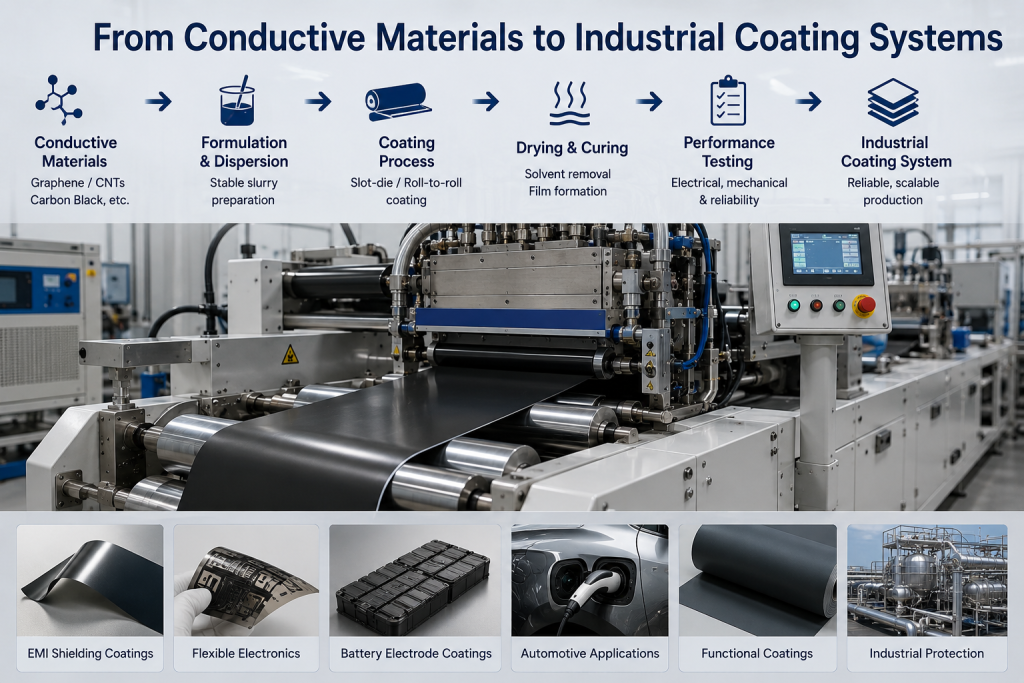
From Conductive Materials to Industrial Coating Systems
From Conductive Materials to Industrial Coating Systems Conductive materials have become essential components in modern industrial technologies. From ...
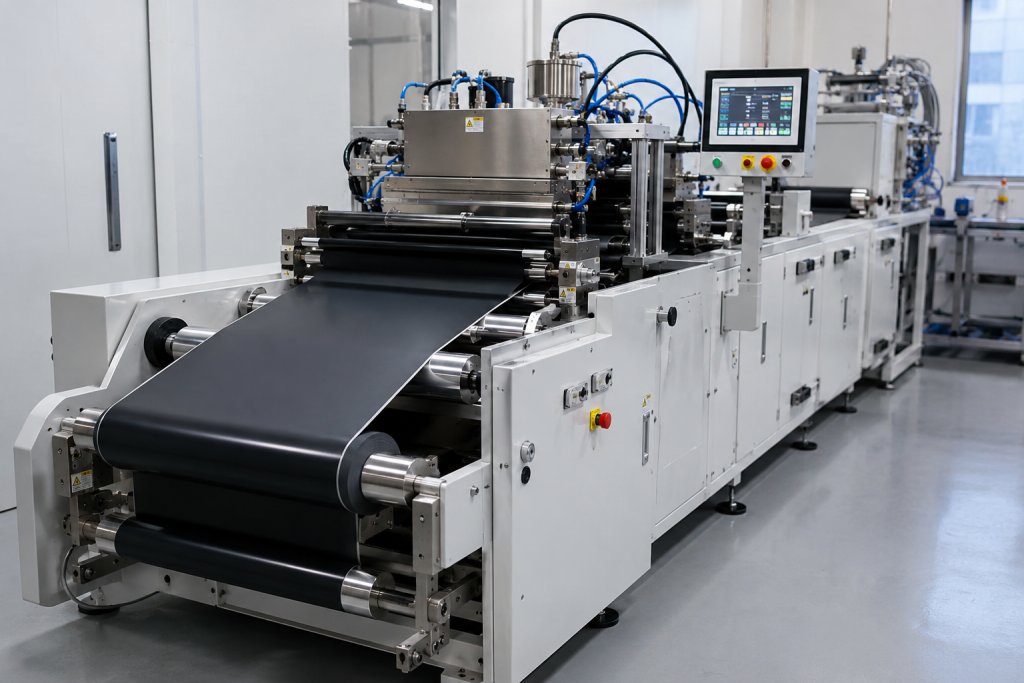
How Pilot Manufacturing Accelerates Advanced Material Commercialization
How Pilot Manufacturing Accelerates Advanced Material Commercialization Every year, thousands of advanced materials are developed in research laborato ...
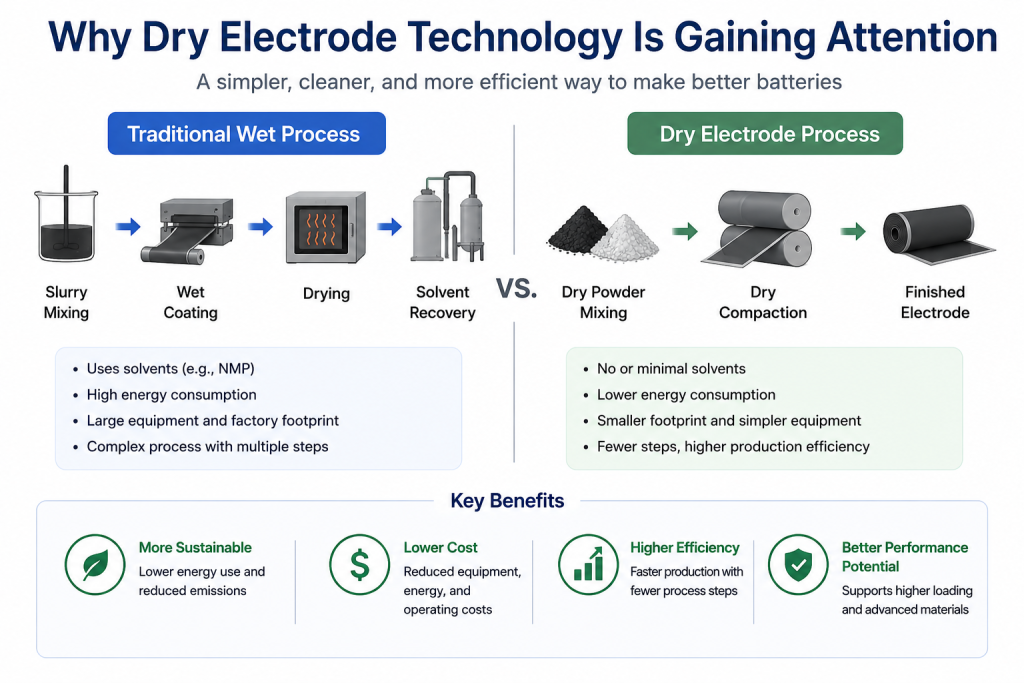
Why Dry Electrode Technology Is Gaining Attention
Why Dry Electrode Technology Is Gaining Attention As global demand for lithium-ion batteries continues to grow, manufacturers face increasing pressure ...
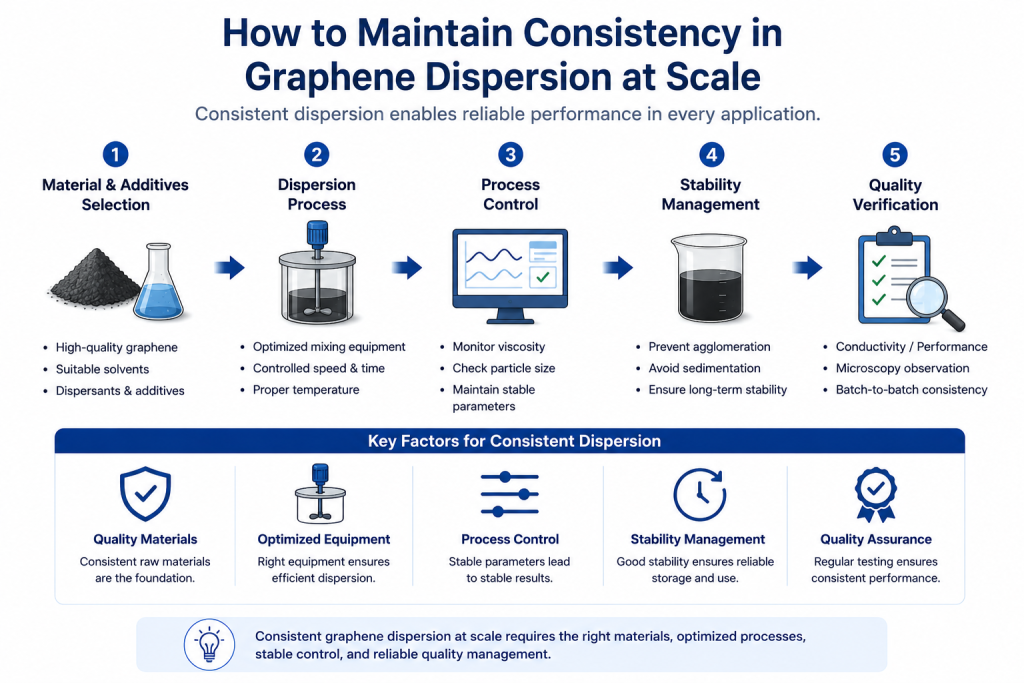
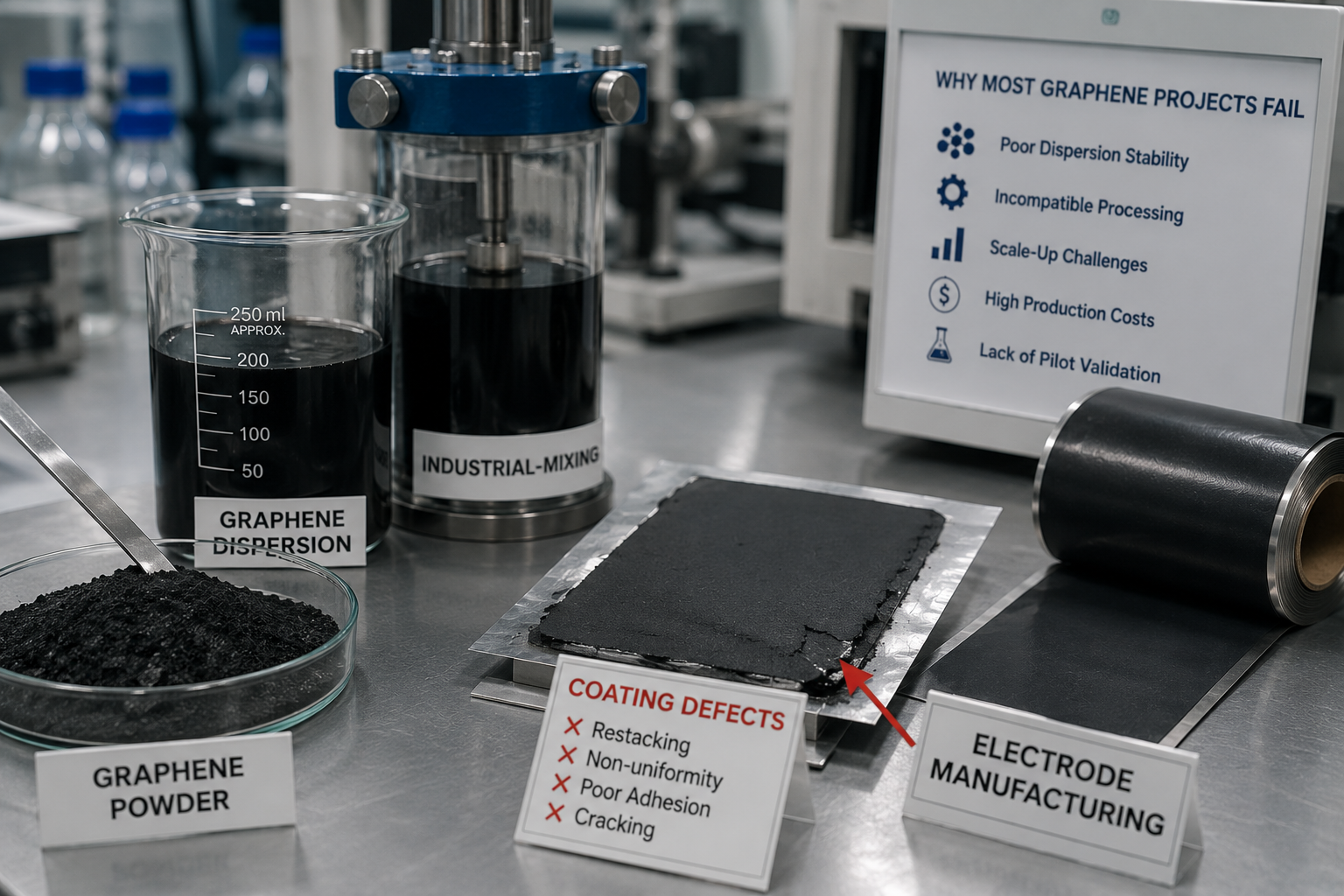
How to Maintain Consistency in Graphene Dispersion at Scale
How to Maintain Consistency in Graphene Dispersion at Scale Graphene dispersion is one of the most important steps in transforming graphene from a lab ...
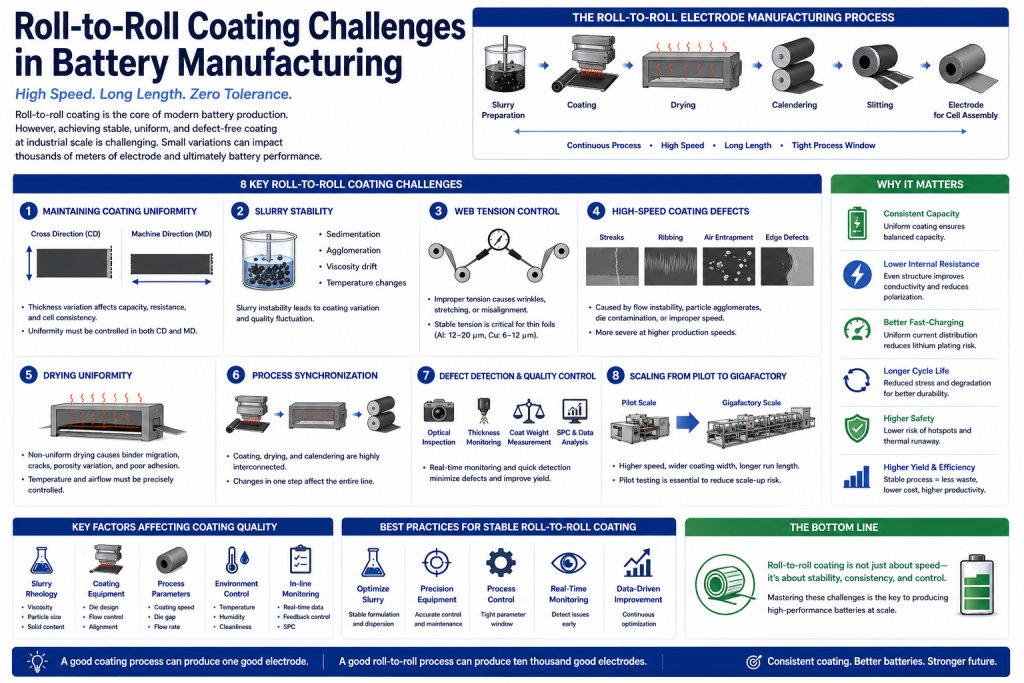
From Slurry Development to Industrial Electrode Production
From Slurry Development to Industrial Electrode Production The performance of a lithium-ion battery depends not only on its materials but also on how ...
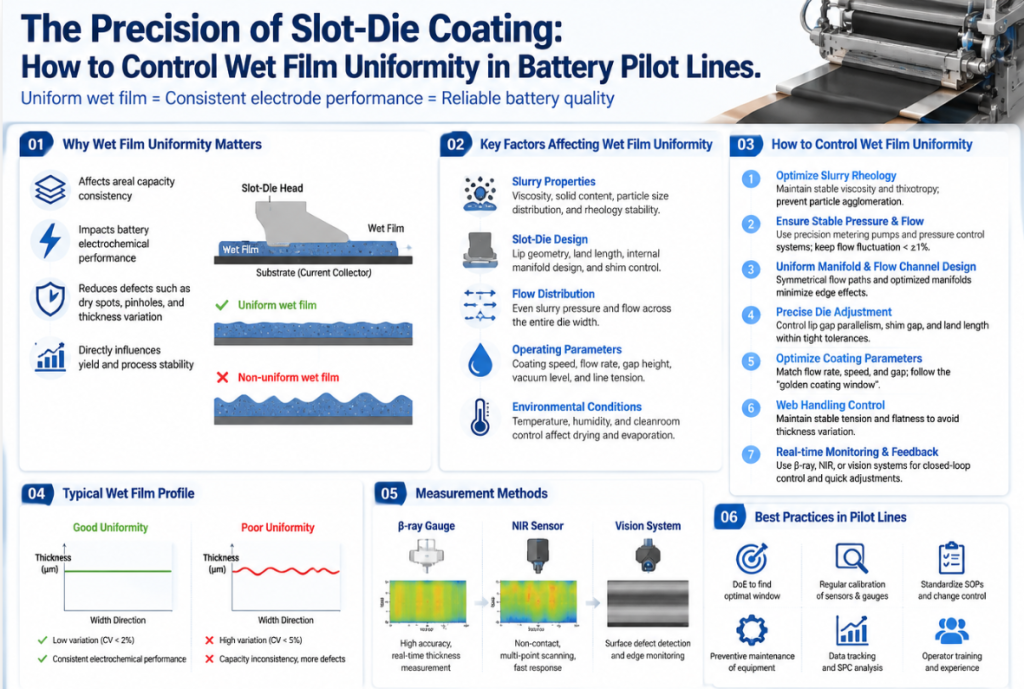
Pilot Validation for Functional Carbon Coatings
Pilot Validation for Functional Carbon Coatings Functional carbon coatings are increasingly being used to enhance the performance of products across m ...
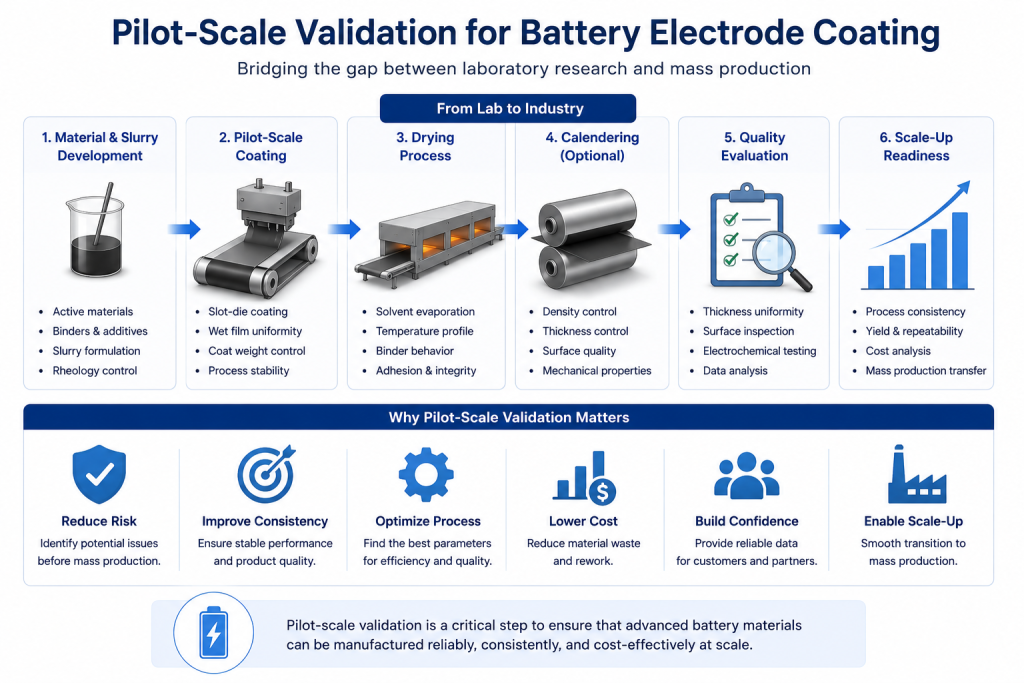
Pilot-Scale Validation for Battery Electrode Coating
Pilot-Scale Validation for Battery Electrode Coating Developing a promising battery material in the laboratory is only the first step toward commercia ...
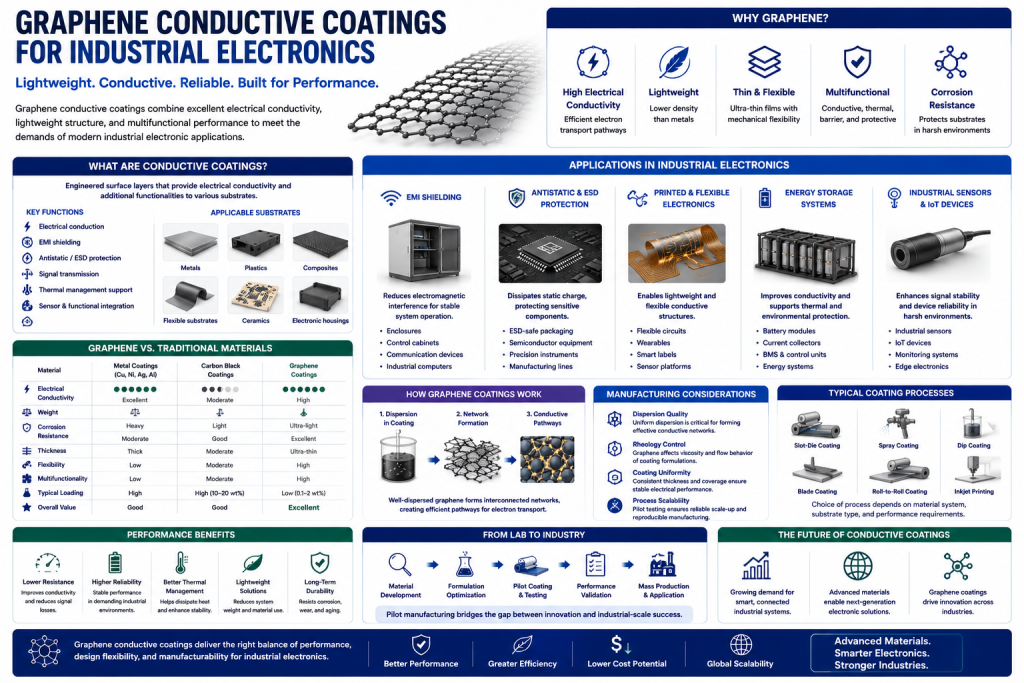
Graphene Conductive Coatings for Industrial Electronics
Graphene Conductive Coatings for Industrial Electronics Industrial electronics are becoming increasingly sophisticated, compact, and power-dense. Appl ...